


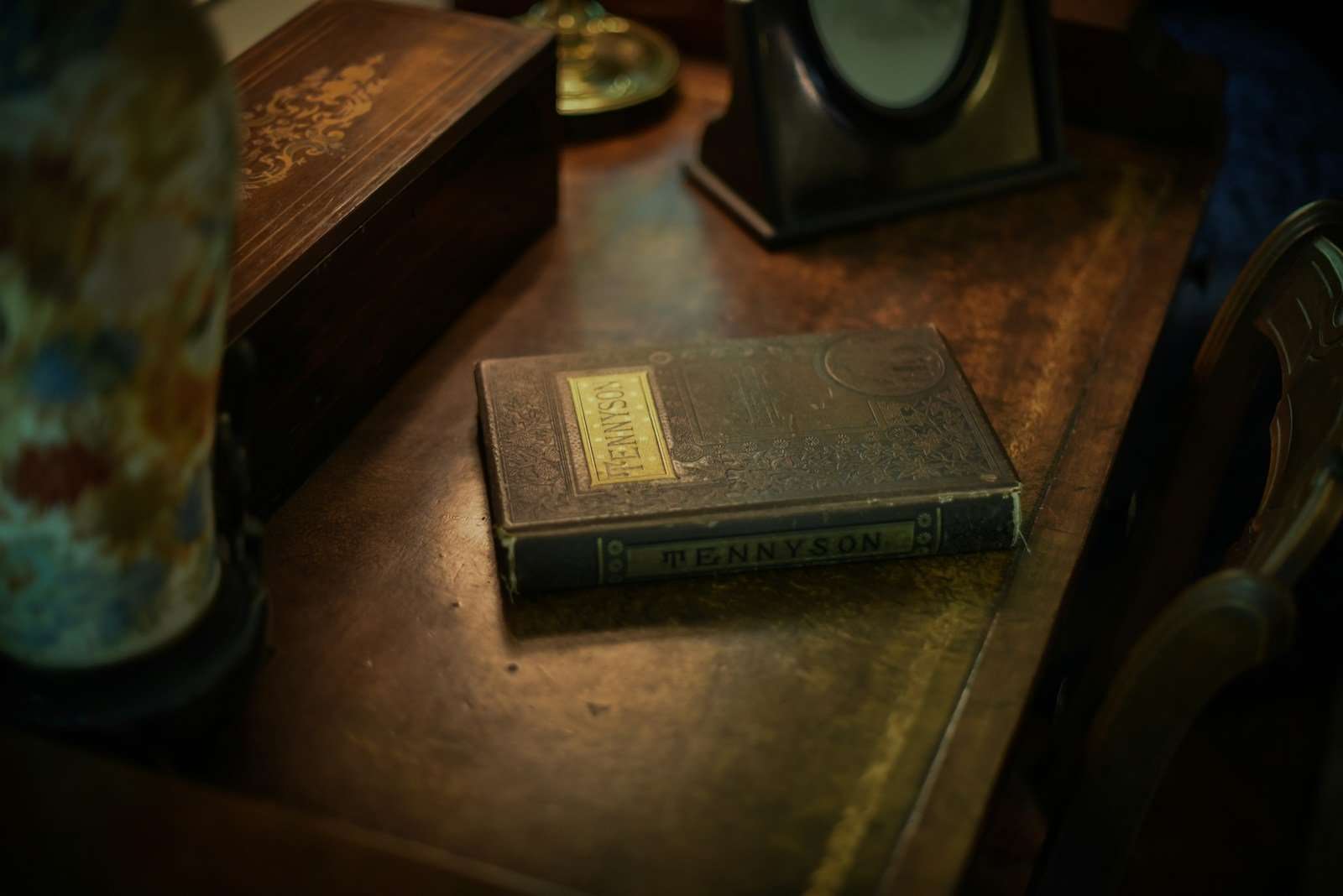
New research presented at the American Chemical Society’s Fall 2024 meeting revealed that some brightly colored Victorian-era books contain toxic dyes, posing potential health risks. A team from Lipscomb University discovered high levels of hazardous metals like lead and chromium in the vibrant green and yellow cloth covers of these antique books.
“These old books with toxic dyes may be in universities, public libraries, and private collections,” said Abigail Hoermann, a chemistry student at Lipscomb. Handling these books could expose users to harmful chemicals, with some volumes containing metal concentrations far above safe limits set by the CDC.
The study examined colors of concern linked to specific toxic chemicals:
- Green: Associated with copper acetoarsenite (arsenic), historically used for its vivid hue.
- Yellow: Contains lead chromate (lead and chromium), known for its bright pigment.
The researchers found that 100 rare circulating Victorian book covers contained some combination of toxic chemicals. Some had lead concentrations more than twice the CDC’s acceptable limit for chronic exposure, while chromium levels were nearly six times the safe limit. Chronic exposure and inhalation of these metals can lead to health issues.
The Lipscomb library sealed potentially dangerous books in plastic bags to minimize risks. The researchers also plan to contribute their findings to the Poison Book Project, an initiative started by the Winterthur Museum to identify, document, and raise awareness about toxic pigments in historical books worldwide.
“We want libraries to be able to test their collections without destroying them,” Hoermann added, advocating for non-destructive testing methods like X-ray diffraction.
This discovery is particularly concerning for antique collectors, who may unknowingly risk exposure by handling or improperly storing these books. Collectors are advised to take precautions, such as wearing gloves and ensuring proper ventilation when dealing with potentially toxic books.
